
Legal Exploitation and Forced Marriage
The Weaponization of Conversion Against Minorities in Pakistan
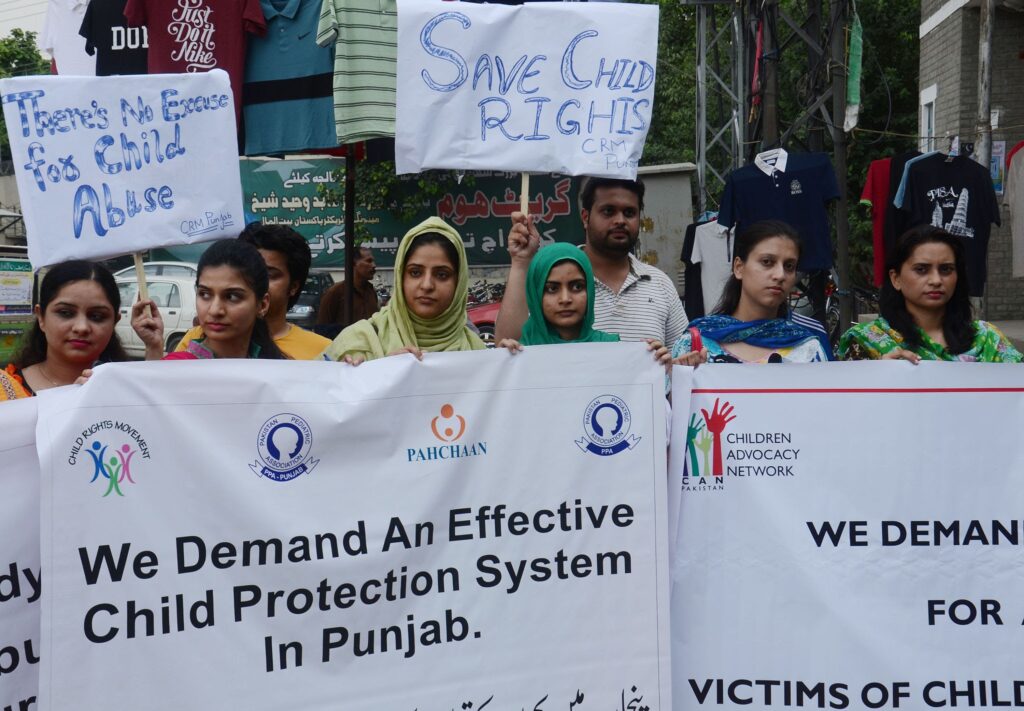
LAHORE, PAKISTAN — The ongoing crisis of the abduction, forced religious conversion, and predatory marriage of underage girls from religious minority communities continues to expose profound gaps in Pakistan’s legal and judicial systems. Despite international pressure and domestic human rights campaigns, perpetrators consistently manipulate legal loopholes to validate the exploitation of minor children under the guise of religious conversion.
Activists and human rights defenders highlight a highly predictable, systemic pattern used by abductors to bypass child marriage restraint laws. Once a young girl—often from an impoverished Christian or Hindu family—is taken, she is rapidly transitioned through a coordinated network that strips away her legal identity and childhood protections.
The Anatomy of Institutional Failure
Human rights monitors document that the exploitation relies heavily on systemic complicity and legal maneuverings that prioritize fraudulent conversion claims over statutory age protections:
Document Forgery: Perpetrators routinely falsify birth records, official certificates, or school registries to inflate the child’s age, falsely presenting her as a consenting adult.
The Shield of Conversion: Local religious institutions frequently issue conversion certificates without conducting any independent verification of the child’s age, autonomy, or understanding.
Judicial Deference: When families seek recourse in court, judges routinely accept the abductor’s falsified documentation and testimonies given under extreme duress. The legal system regularly prioritizes claims of “voluntary conversion” over established child protection statutes, such as the Child Marriage Restraint Act.
Structural Vulnerability and the Demand for Reform
This crisis does not occur in a vacuum. Entrenched socioeconomic marginalization leaves minority families uniquely vulnerable to predation. Christian and Hindu communities in Pakistan frequently face severe barriers to legal representation, police non-cooperation when filing initial reports, and retaliatory threats from abductors who often enjoy local political or religious backing.
National and international human rights organizations argue that until federal and provincial governments strictly enforce age-verification protocols and penalize the fraudulent conversion of minors, young girls will continue to face systemic exploitation under the law.
Justiceforth.org demands strict legislative reform, independent judicial oversight, and immediate state protection for vulnerable minority children facing institutionalized predation.
Recent Posts
Archives
Today Date
| M | T | W | T | F | S | S |
|---|---|---|---|---|---|---|
| 1 | 2 | 3 | 4 | 5 | ||
| 6 | 7 | 8 | 9 | 10 | 11 | 12 |
| 13 | 14 | 15 | 16 | 17 | 18 | 19 |
| 20 | 21 | 22 | 23 | 24 | 25 | 26 |
| 27 | 28 | 29 | 30 | 31 | ||