
Left Behind by the Legal System
A Pakistani Christian Family’s Uphill Battle for Jeneva
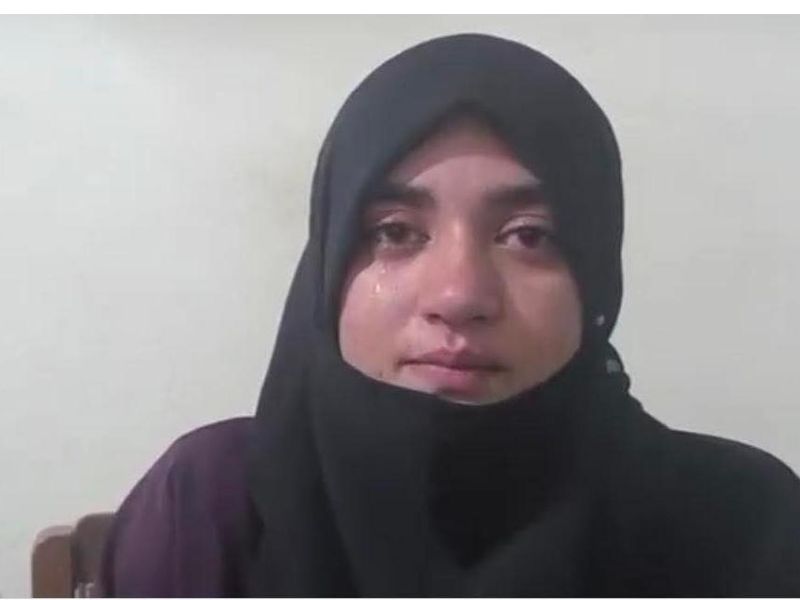
FAISALABAD, PAKISTAN — The harrowing ordeal of Jeneva, a young Christian girl abducted and subjected to forced marriage and conversion, highlights the profound systemic barriers confronting religious minorities within Pakistan’s judicial and law enforcement systems. Despite clear statutory protections on paper, the practical path to justice remains a devastating uphill struggle for marginalized families.
Jeneva’s case follows a patterns human rights defenders know all too well. Plucked from her community by a predatory actor, she was quickly subjected to a forced marriage designed to legally shield her abductor from kidnapping charges. When her family attempted to intervene, they were met with institutional apathy, bureaucratic delays, and overt hostility from local authorities.
A Fractured Legal Framework
The core impediment to justice in Jeneva’s case lies in the systemic failure of local law enforcement and the judiciary to enforce existing child protection and anti-abduction laws. Rights advocates point to several critical failure points:
Police Non-Cooperation: Initial First Information Reports (FIRs) filed by minority families are frequently delayed, minimized, or outright rejected by local police, giving abductors ample time to move the victim and falsify legal documents.
The Duress Factor: When victims are brought before a magistrate, they are often flanked by their captors and subjected to intense intimidation, leading them to give coerced statements. Courts routinely accept these statements at face value without ensuring the victim is in a safe, neutral environment.
Institutional Bias: Lower courts frequently prioritize religious sentiments over statutory penal codes, effectively validating an abduction if a conversion certificate is presented.
The Human Cost of Accountability
For Jeneva’s family, the fight for her return has brought not only emotional devastation but immense financial and physical peril. To sustain a prolonged legal battle in Pakistan, minority families must navigate exorbitant legal fees, lost wages, and continuous security threats from the perpetrator’s local supporters.
Local civil society organizations are standing alongside the family, providing legal aid and security advocacy. However, they emphasize that temporary fixes cannot replace systemic overhauls. True justice for Jeneva, and countless young girls like her, requires the state to fiercely protect judicial independence and penalize the weaponization of religion to mask criminal behavior.
Justiceforth.org remains committed to tracking Jeneva’s case, amplifying her family’s voice, and demanding institutional accountability from Pakistan’s legal apparatus.
Recent Posts
Archives
Today Date
| M | T | W | T | F | S | S |
|---|---|---|---|---|---|---|
| 1 | 2 | 3 | 4 | 5 | ||
| 6 | 7 | 8 | 9 | 10 | 11 | 12 |
| 13 | 14 | 15 | 16 | 17 | 18 | 19 |
| 20 | 21 | 22 | 23 | 24 | 25 | 26 |
| 27 | 28 | 29 | 30 | 31 | ||