
Locked Out by Law
How Legal Frameworks Institutionalize Economic Persecution against Minorities
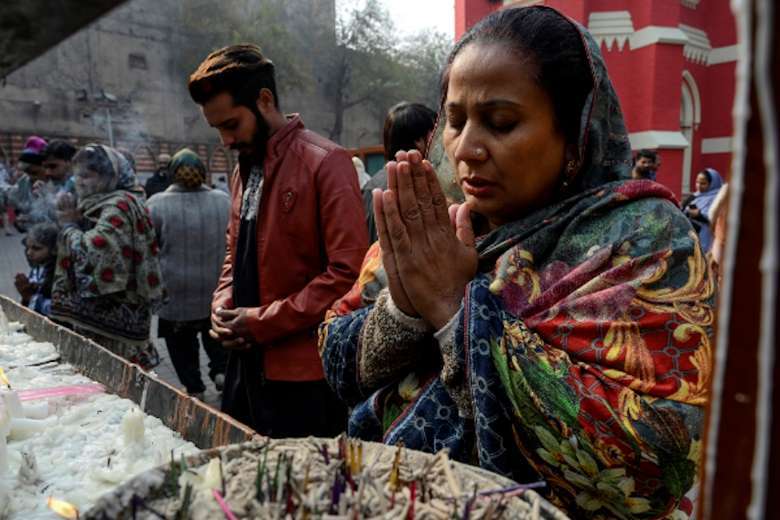
While physical violence against religious minorities dominates news headlines, a quieter, highly structural form of oppression operates with near impunity: economic persecution. Across hostile regions, discrimination is not merely a collection of isolated, social actions. Instead, it is actively sustained, protected, and legitimized by legal systems that systematically strip minoritized communities of financial autonomy and equal opportunity.
When employers refuse to hire, licensing bodies deny permits, or public aid is withheld, these actions are rarely spontaneous. They are enabled by regulatory frameworks that appear neutral on the surface but are weaponized in practice to restrict minority participation in the formal economy.
The Weaponization of Regulatory Systems
For marginalized communities, the law is rarely experienced as a shield for justice or human dignity. Instead, it acts as an invisible hand that erodes hope and economic stability through seemingly mundane bureaucratic mechanisms:
Discriminatory Licensing and Registration: Bureaucrats frequently utilize arbitrary denial tactics or hyper-regulation to block minority-owned enterprises from legally operating.
Property Ownership Barriers: Zoning and land-use laws are regularly applied asymmetric to restrict the expansion of minority businesses or facilitate land seizures.
Employment Disadvantages: State-level failure to enforce anti-discrimination laws allows both public and private entities to exclude minoritized citizens from high-earning sectors, relegating them to low-income or informal labor.
Case Study: The Economic Aftershocks of Pakistan’s Blasphemy Laws
Pakistan provides a stark example of how a singular legal framework can devastate entire economic ecosystems. According to documentation from the U.S. Commission on International Religious Freedom (USCIRF), Pakistan’s blasphemy laws are frequently misused to settle local property disputes, business rivalries, or personal vendettas.
The economic consequences of even a single, unproven blasphemy accusation are catastrophic and long-lasting:
| Stage of Accusation | Immediate Impact | Long-Term Economic Damage |
| Initial Allegation | Mob violence frequently targets the accused’s home or business, resulting in complete property destruction. | Total loss of capital asset infrastructure without state compensation. |
| Legal Proceedings | The accused is subject to prolonged pre-trial detention, completely halting family income. | Inability to fund a legal defense forces families to liquidate remaining assets or take on predatory debt. |
| Post-Trial Dismissal | Even if acquitted, the stigma persists. Businesses lose their customer base out of fear or bias. | Employers often fire the individual to avoid retaliatory backlash, forcing the family into permanent displacement and informal, low-wage labor. |
The Chilling Effect on Local Economies
The long-term impact of integrating discrimination into the legal code is the normalization of economic stagnation. When minority entrepreneurs realize that financial success or visibility invites structural retaliation, they stop investing in public-facing businesses. They retreat into survival mode, relying on informal networks that offer low returns but higher anonymity.
By allowing justice systems to be weaponized against commercial security, states do not just violate fundamental religious freedoms; they actively dismantle the right to work, the right to property, and the right to basic human development.
Justiceforth.org advocates for international legal oversight and systemic domestic policy reform to dismantle regulatory barriers that lock vulnerable citizens out of economic life.
Recent Posts
Archives
Today Date
| M | T | W | T | F | S | S |
|---|---|---|---|---|---|---|
| 1 | 2 | 3 | 4 | 5 | ||
| 6 | 7 | 8 | 9 | 10 | 11 | 12 |
| 13 | 14 | 15 | 16 | 17 | 18 | 19 |
| 20 | 21 | 22 | 23 | 24 | 25 | 26 |
| 27 | 28 | 29 | 30 | 31 | ||